Asbestos exposure remains one of Australia’s most serious and long-lasting public health challenges. Although asbestos use was banned in 2003, the material remains in many homes, workplaces, and public spaces, continuing to pose a risk to health today. Understanding how asbestos-related diseases develop, and the importance of early detection and research, is crucial for protecting yourself and your loved ones.
Stay informed: Sign up to the ADDRI Newsletter
Few Australians realise how deeply embedded asbestos is in the buildings around us. Found in more than 3,000 construction and industrial products throughout the 20th century, asbestos remains in many homes, workplaces and public spaces built before 1990.
The real danger emerges when asbestos-containing materials are disturbed. Tiny fibres become airborne, invisible to the naked eye. Once inhaled, they can lodge in the lungs and trigger chronic health problems decades later.
Today, even though the sale and use of asbestos are banned, Australia’s history with asbestos continues to impact thousands of lives — particularly among those who worked in trades, manufacturing, mining, and demolition, as well as those undertaking DIY renovations at home.
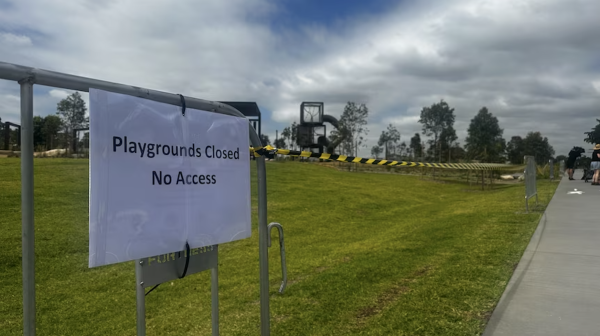
In early 2024, asbestos was found in soil or sand substitute and garden mulch containing contaminated building waste throughout Sydney parks, landscaping sites, schools, hospitals and other public spaces – highlighting that it is still a clear and present danger.
4,449 deaths per year estimated deaths per year from occupational asbestos-related diseases.
870 Mesothelioma deaths in 2020 – expected to rise to 1,500 deaths from mesothelioma in 2040.2
Banned asbestos in 2003 National ban on all types of asbestos came into force 31 December 2003.
1 in 3 homes in Australia
Contain asbestos – homes built and/or renovated before 1990 are likely to contain asbestos.
6.4 million tonnes of asbestos containing materials remain in the built environment as of 2021.
54% of which is AC water pipes and 26% being in residential buildings.
1.1 million tonnes asbestos waste
generated in 2021-22 – 22% less than the previous year.
Asbestos is the name given to six naturally occurring minerals made up of tiny, needle-like fibres that are resistant to heat, electricity and corrosion. For these reasons, it was lauded as the ‘magic mineral’ and widely used in building materials in the past 100 years. Australia was the highest per-capita user of asbestos for decades – and particularly between the 1940s and 1980s. While asbestos was banned in 2003 (over 20 years ago), we have a huge legacy issue of deteriorating asbestos materials in our built environment.
Historically, asbestos has been used for more than 4,500 years by humans for their flexibility, strength and insulation qualities. The Romans used asbestos for its flame-retardant and insulation properties by weaving asbestos fibres into fabrics and the Ancient Egyptians also used asbestos to improve durability in their clothes.
During the reign of Peter the Great, in the 1700s, asbestos was discovered in the Ural Mountains, Russia, and the first factory for manufacturing asbestos products began. Asbestos originated on a commercial scale in Italy at the beginning of the 19th Century. In Canada, mining of white asbestos (chrysotile) started in 1878. Blue asbestos (crocidolite) was discovered in South Africa in 1815 and the first crocidolite mines opened near Prieska in 1893. The name ‘crocidolite’ means a stone with a woolly appearance. Amosite (brown asbestos) was discovered in Transvaal, South Africa, and the name was derived from the initials of the Asbestos Mines of South Africa.
The distinction between these two groups is important when it comes to asbestos-related diseases. Asbestos fibres are up to 200 times thinner than a human hair. The amphibole fibres are thin and straight and the serpentine are curved fibres.
Naturally Occurring Asbestos (NOA) is found in some rocks, sediments, and in soils and is not easy to identify. A sample collected by a competent person can be tested by a National Association of Testing (NATA) accredited laboratory to confirm the presence of asbestos in its natural form. Less than one percent of land in NSW is believed to contain NOA within 10 metres of the grounds surface. In rural and regional NSW where NOA is known, or suspected, property owners, managers, workers, and the general public who may disturb the ground surface will need to take appropriate precautions to ensure NOA is identified and managed safely in accordance with regulations.
When asbestos fibres enter the lungs, the body’s immune system tries to break them down — but it cannot. This triggers a chronic cycle of inflammation and tissue damage. Over time, the damage can develop into lung scarring (fibrosis) or more serious conditions, including life-limiting lung diseases.
In the early stages, there may be no symptoms. As disease progresses, people typically notice shortness of breath during everyday activities, fatigue, a persistent dry cough, or chest discomfort. In advanced cases, lung capacity can be severely restricted, limiting independence and impacting overall quality of life.
Some of the asbestos-related diseases like Asbestosis progress slowly; others, like Mesothelioma, can advance rapidly. Regardless of the condition, early recognition and supportive care make a real difference.
Asbestos exposure can lead to a range of diseases — not only cancer. Some conditions are non-malignant but still significantly impact daily life.
Asbestosis is a chronic lung disease marked by progressive scarring of lung tissue. It develops after heavy or prolonged exposure to asbestos fibres. Symptoms include persistent breathlessness, reduced exercise tolerance, and increased vulnerability to respiratory infections. There is no cure, but careful management — including pulmonary rehabilitation and symptom control — can improve quality of life.
Learn more about this condition in our article: What is Asbestosis?
The pleura — the delicate lining around the lungs — is also vulnerable. Asbestos can cause:
While not life-threatening, pleural conditions may signal a higher risk for other asbestos-related illnesses. You can read more about pleural conditions in our article Pleural Diseases and Asbestos Exposure.
Emerging evidence links asbestos exposure with other health impacts, including:
Although new asbestos products are banned, many Australians remain at risk, often unknowingly.
Tradespeople, construction workers and DIY renovators face the highest risk when disturbing asbestos materials. Even brief exposure during activities like sanding or drilling in older homes can be enough to cause disease decades later.
Family members may also face “secondary exposure” through fibres carried home on clothing, tools or vehicles. This risk highlights why awareness (and protective measures) remain vital, even today.
You can hear more about how asbestos exposure has affected Australians by visiting our Patient Stories section.
If you’ve worked in one of these environments or lived in an older home, it’s important to learn more about your risk.
You may be interested to find out more about people’s real experiences: explore our Patient Stories to hear firsthand how asbestos exposure has affected lives.
Early diagnosis is possible and vital. Early diagnosis relies on people proactively seeking out screening before any symptoms occur – as symptoms may only appear once lung disease is advanced.
Doctors use a combination of tools to detect asbestos-related conditions early:
There is no national asbestos screening program in Australia, so your first point of contact will be to make an appointment with your local GP. They will guide on the appropriate screening process and services available in your area.
If you have a history of asbestos exposure (even if it was decades ago) screening can help detect changes before symptoms worsen. Early intervention can slow progression and maximise treatment options.
Learn more about detection in our guide to Screening and Surveillance for Asbestos Diseases.
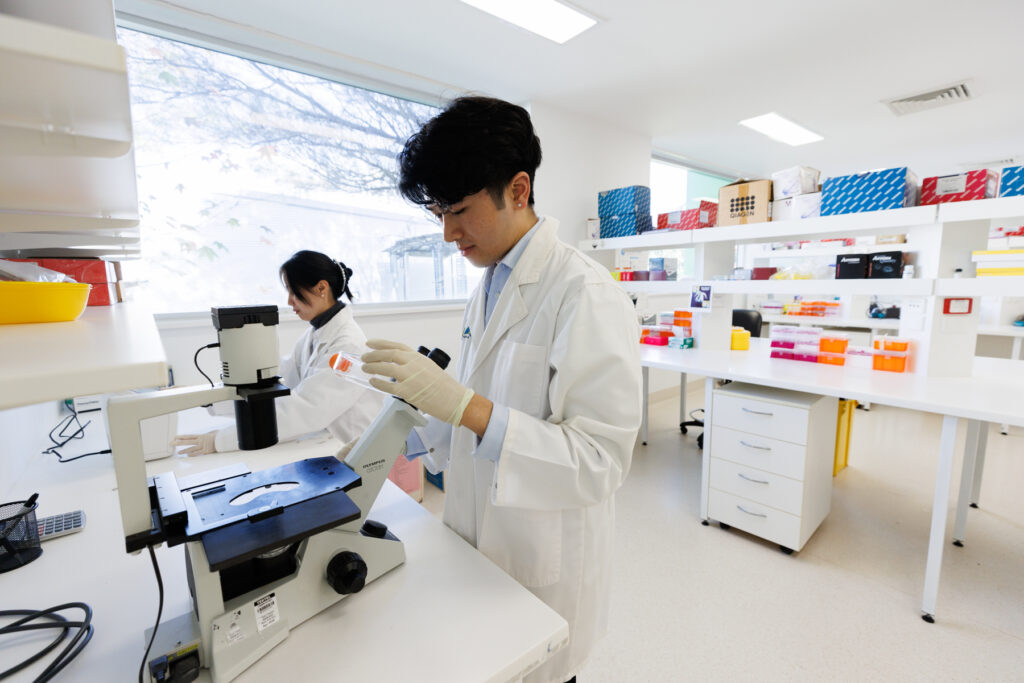
Here at the Australian Dust Diseases Research Institute (ADDRI), our focus is clear: to better understand, detect and treat asbestos-related diseases.
Current research programs include:
Through research, we aim to reduce the burden of disease on individuals, families and the wider community. Every discovery brings us closer to better treatments — and, one day, perhaps, better prevention strategies.
Discover more about our Research, our team and projects by visiting our Research page.
Behind every diagnosis is a person — and a story.
Living with an asbestos-related condition can mean navigating physical challenges, emotional upheaval and uncertainty about the future. Patients and families need support not only from medical professionals, but also from a community of others who understand what they’re facing.
ADDRI shares real experiences through our Patient Stories, offering insights into life after diagnosis, treatment journeys, and the resilience of those affected.
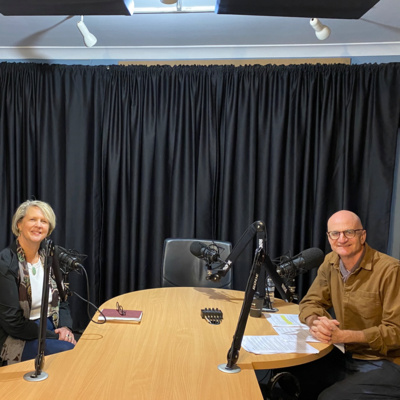
You can also hear directly from experts, advocates and patients in our Dust Diseases Podcast, where we discuss the latest research and share personal perspectives on living with occupational lung disease.
No matter where you are in your journey, you are not alone.
No. There is no known safe level of asbestos exposure. Even low-level or short-term exposure can increase your risk of developing asbestos-related disease.
Symptoms of asbestos-related disease can take 10 to 40 years, or even longer, to develop. That’s why screening is essential, even if you feel well.
Currently there is no cure for asbestos-related disease, but there are some treatments such as medications, pulmonary rehabilitation and oxygen therapy can help manage symptoms and improve quality of life. Our Research at ADDRI seeks to develop treatments to improve patient outcomes.
Yes. Many asbestos-related diseases are “silent” in early stages. If you know you’ve been exposed, speak to your GP or a respiratory specialist, because screening tests before you have any symptoms is key to early diagnosis and protecting your long-term health.
Sign up to the ADDRI Newsletter to stay informed
Explore our Patient Stories to learn from others
Listen to the Dust Diseases Podcast
Learn about our Mesothelioma Support Service