The Asbestos Diseases Research Foundation (ADRF) was established in 2006 as a charitable, not-for-profit organisation.

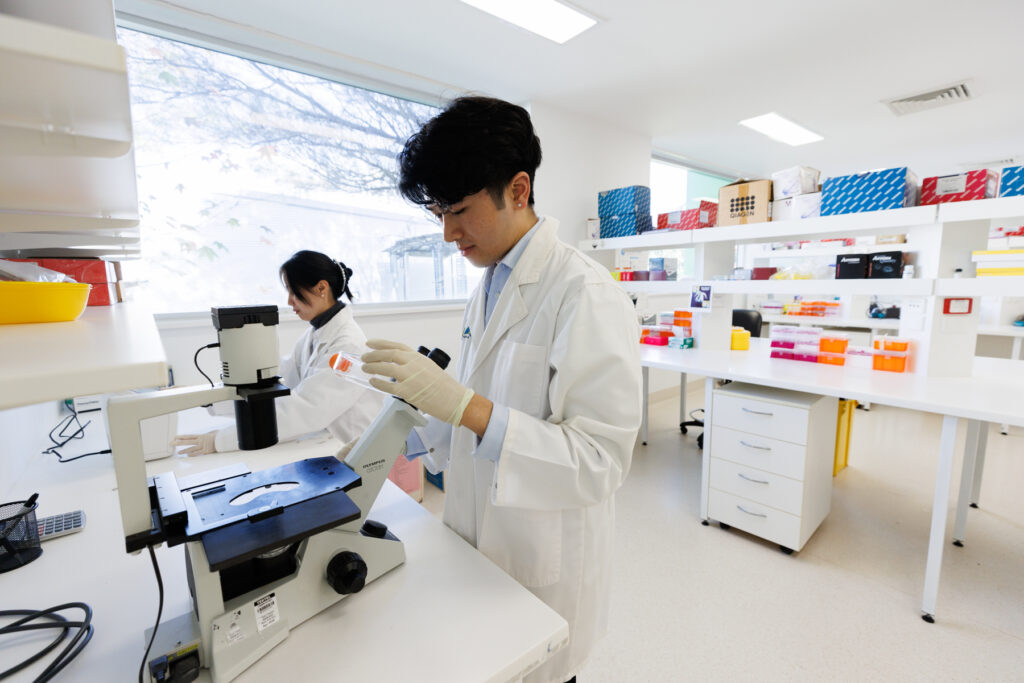
The Foundation is dedicated to assist and support the research efforts into asbestos and other dust-related diseases. It also established and operates the Asbestos and Dust Diseases Research Institute (ADDRI) a dedicated research institute.

The objects of the Foundation are:

  • to promote, sponsor and facilitate research and healthcare delivery among those individuals and communities exposed to asbestos or other dusts or suffering from asbestos-related or other dust-related diseases;
  • to provide leadership and excellence in asbestos-related and dust-related diseases research activities;
  • to promote awareness of the special circumstances experienced by those exposed to asbestos or other dusts which can lead to potential or actual asbestos-related or other dust-related diseases;
  • to promote, sponsor and facilitate asbestos-related and dust-related diseases education and training in relevant health disciplines;
  • to further knowledge of medicine and science by promoting the conduct of research in the field of asbestos-related and other dust-related diseases;
    to achieve a better understanding of the nature and causes of asbestos-related and dust-related human diseases and afflictions;
  • to improve methods of preventing, diagnosing and treating those diseases and afflictions; and
  • where possible, to apply its research and other activities, either directly or indirectly, to the development of relevant products and treatments; preventative strategies and practices; and educational programs and materials for asbestos-related and other dust-related diseases.

The Foundation must pursue its objectives principally in Australia.

Governance

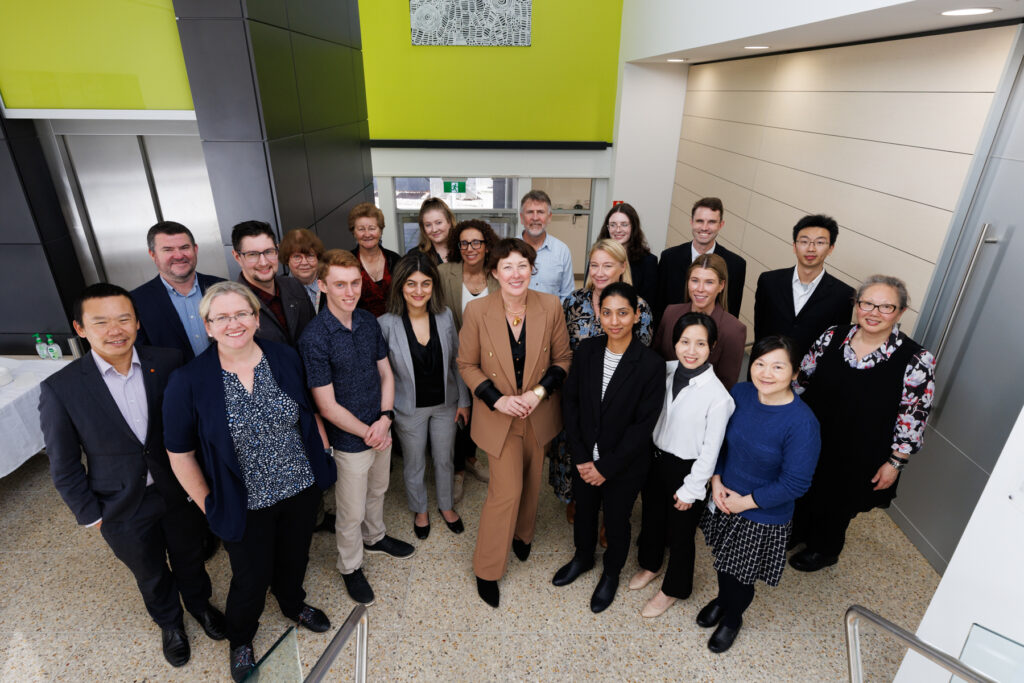
The Board of the Foundation consists of the independent chairperson invited by the Minister for Industrial Relations, two members from the Workers Compensation Dust Diseases Board; nominees from the University of Sydney, ANZAC Health & Medical Research Foundation, Sydney Local Health District, Asbestos Diseases Foundation of Australia Inc., Unions NSW, and past and present manufacturers and suppliers of asbestos or dust-containing goods. In addition, the Board has appointed a further member, being the Research Director of the Institute.

The Asbestos Diseases Research Foundation is a registered charity with the Australian Charities and Not-for-profits Commission (ACNC).

Our Board members

Peter Tighe

Peter Tighe

Independent Chair

Mr Peter Tighe, Deputy Chair of EE-Oz Energy Skills Australia and a member of the Board of Exemplar Systems Pty Ltd and Exemplar Learning Pty Ltd. Previous roles include CEO of the Asbestos Safety and Eradication Agency (ASEA), National Secretary of the Communications Electrical and Plumbing Union (CEPU) and Divisional Secretary of the Electrical Trades Union (ETU). Peter was an Executive member of the Australian Council of Trade Unions (ACTU) and a ministerial appointee to Safe Work Australia. He has served on a variety of vocational Boards and currently serves on the Dust Diseases Board.

Dr Teresa Anderson AM

Dr Teresa Anderson AM, FIPAA

Invited by the Board

Dr Teresa Anderson is Chief Executive of the Single Digital Patient Record Implementation Authority. She has more than 35 years of experience as a clinician and health service executive. She has a well-established reputation for implementing strategies to foster innovation and best practice, supporting collaboration and building partnerships. She is an internationally recognised Speech Pathologist and is passionate about developing programs and services to support and improve the health and wellbeing of all people in the community. In 2018 Dr Anderson was appointed a Member of the Order of Australia (AM). Dr Anderson is a Vice President and has been made a Fellow of the NSW Institute of Public Administration Australia, is a member of seven Medical Research, Health and PHN boards and is an active member of the Sydney Health Partners Governing Council and Executive Management Group, one of the first four centres in Australia designated by the NHMRC as an Advanced Health Research Translation Centre. She was previously CEO of the Sydney Local Health District, one of the leading public health services in Australia.

Paul Bastian

Paul Bastian

Nominated by Unions NSW

Paul is the Chair of the Asbestos and Silica Safety and Eradication Agency (ASSEA). Paul Bastian was previously the National Secretary of the Australian Manufacturing Workers’ Union (AMWU) retiring from the position in September 2020. Paul commenced his employment with the AMWU in 1981 and in 1997 was elected State Secretary of the NSW Branch. He is a shipwright by trade and completed a Law Degree while studying part-time at the University of Technology, Sydney. Paul has worked throughout the manufacturing industry, in the construction, shipbuilding and metal industries, in both metropolitan and regional areas of NSW. He represented the AMWU on a number of Boards and Committees, including ACTU Executive. Paul was a member of the Asbestos Management Review Advisory Group, as well as once being on the Boards of AustralianSuper, APHEDA, the NSW Manufacturing Council, and the NSW Workers Compensation Advisory Council. He has a long history of involvement with community and union campaigns against asbestos and has represented the AMWU and IndustriALL Global Union (previously known as the International Metalworkers Federation) at numerous international asbestos conferences.

Professor Stephen Clarke OAM

Nominated by the Asbestos Diseases Foundation of Australia Inc.

Professor Stephen Clarke is a medical oncologist at Royal North Shore Hospital in Sydney and Professor of Medicine at the University of Sydney. After completing his medical oncology training at RNSH, St. Leonards, Stephen undertook a PhD at the Institute of Cancer Research/Royal Marsden Cancer Hospital, before returning to Australia in 1994. He was Professor of Medicine at Concord Hospital from 2004-2010.He has clinical and research interests in thoracic and GI cancers, including mesothelioma. He has had 2 PhD student completions in mesothelioma including Steven Kao and Anthony Linton and has one current student (Tamkin Ahmadzada) undertaking research in microvesicles in mesothelioma. His research has achieved over $30 million in competitive grant funding that has led to over 400 publications, which have been cited 20,000 times.

Armando Gardiman AM

Invited by the Board

Armando Gardiman AM is the Managing Partner at Turner Freeman Lawyers. He specialises and practices in the area of asbestos litigation and acts for clients suffering from mesothelioma, asbestosis and asbestos related lung cancers. He has run more successful mesothelioma cases than any other lawyer in Australia and has played a leading role in developing the largest dust diseases litigation practice in Australia. Armando prepared the submission for the NSW Trade Unions and Asbestos Diseases Foundation of Australia which resulted in major legislative reforms in NSW, including the removal of all time limits in dust diseases claims and the survival of damages where a victim’s death preceded the finalisation of the claim. All other States and Territories in Australia have now followed suit in preserving claims for victims. He was instrumental in the development of the Asbestos Diseases Research Institute (ADRI), having prepared the submission for construction and development of the purpose-built, state of the art Bernie Banton Centre at Concord Hospital.

Professor Christine Jenkins AM

Professor Christine Jenkins AM

Nominated by the ANZAC Health and Medical Research Foundation

Christine is head of the Respiratory Group at The George Institute for Global Health; Clinical Professor at Concord Clinical School and University of Sydney; and Professor of Respiratory Medicine at UNSW Sydney. She is a thoracic physician with a clinical and research focus on the management of airways disease and retired from her position as staff specialist in thoracic medicine at Concord Hospital in December 2020. Christine has led many sponsored and investigator-initiated clinical trials in asthma and COPD and in her role at The George Institute she supervises a research team and PhD students, implementing several trials in asthma, COPD and pulmonary rehabilitation in Australia, New Zealand and Asia. She is active in advocacy and leadership for lung health in Australia and is a member of several global advisory boards for the pharmaceutical industry. She has previously chaired the National Asthma Campaign, the TSANZ, the National Asthma Reference Group which advised government on asthma as a National Health Priority, the Respiratory Conditions Advisory Group of AIHW, and The Thoracic and Sleep Medicine Review of the MBS. She was a member of the National Dust Diseases Task Force and Chair of the Board of the Lung Foundation of Australia from 2016-2022 and a director until 2025.

Bruce Potts

Nominated by Industry

Bruce Potts is Assistant General Counsel – APAC for James Hardie. He joined James Hardie Australia as legal counsel in 2005 and currently leads the legal team at James Hardie across the Asia Pacific region, providing advice and guidance on a wide range of issues including commercial contracts, regulatory issues, employment law and environmental, health and safety matters. With the focus across Australia and New Zealand in recent years on reducing risks associated with exposure to respirable crystalline silica in the construction industry, Bruce has contributed to James Hardie’s review of and comment on a number of consultation papers issued by Federal and State bodies on the matter. Bruce, on behalf of James Hardie, engages with several industry associations seeking to achieve practical regulatory frameworks that will enable beneficial and appropriate health and safety outcomes. Having joined James Hardie at the time when the compensation funding arrangements entered into with the State of NSW in 2006 – the Amended and Restated Final Funding Agreement (AFFA) – were being finalized, Bruce has a sound understanding of James Hardie’s history relating to asbestos. Since December 2006, he has been a director of the James Hardie subsidiary company that makes annual payments to the Asbestos Injuries Compensation Fund in accordance with the terms of the AFFA.

Professor Camille Raynes-Greenow

Nominated by the University of Sydney

Professor Camille Raynes-Greenow is a perinatal epidemiologist with expertise in global public health at the University of Sydney.  She brings over two decades of experience in public health research and epidemiological research methods.  Her areas of expertise span environmental health, maternal and child health, health systems strengthening, and developing evidence to inform policy, with a focus on improving health equity in Australia and internationally. Camille has a strong interest in research capacity, is actively engaged in mentoring junior researchers, and supervises post-graduate research students.  Camille leads international research on the health impacts of household air pollution, and extreme heat and is an advocate for gender equity. She is (Interim) Deputy Executive Dean (Research Centres) in the Faculty of Medicine and Health at the University of Sydney, Editor for the International Journal of Epidemiology, and PLOS Medicine. Camille brings to the ADDRI Board a deep commitment to translational research and public health impact, particularly in addressing complex health challenges through rigorous, community-informed, approaches.

Stephen Smyth

Invited by the Board

Meet Stephen, a passionate advocate for health and safety in the coal mining industry with over 3 decades of experience. From underground coal mining to surface operations, his career has been defined by leadership, expertise, and an unwavering commitment to worker wellbeing.

As a former District President and now General Vice President of the Mining and Energy Union, Stephen has:

  • Led initiatives to improve workplace safety and health standards.
  • Played a pivotal role in addressing the re-emergence of black lung disease in Queensland, driving advancements in diagnosis, management, and prevention.
  • Provided expert testimony in investigations and inquests following serious incidents.
  • Represented mineworkers on national and international platforms.

Stephen’s dedication has left a lasting impact on mineworker safety, both in Australia and globally. His work extends to high-stakes investigations and global advocacy, ensuring mining companies prioritise worker welfare.

Mathew Werfel

Invited by the Board

Mathew Werfel is a mesothelioma survivor, having contracted the disease as a result of exposure to asbestos-containing materials through work and home renovations in the late 1990s and early 2000s. He has undergone multiple invasive surgeries alongside chemotherapy and radiotherapy.

Mathew’s professional background spans roles in government and advocacy, including advisory and management positions supporting federal and state parliamentarians, as well as work with the Asbestos and Silica Safety and Eradication Agency (ASSEA). He was previously employed by the Shop Distributive and Allied Employees Association (SDA), where he began as an Occupational Health and Safety Representative at the Woolworths Distribution Centre in South Australia.

Mathew holds a Graduate Certificate in Business from the University of South Australia and is a Master of Business Administration candidate.

Driven by his personal experience, Mathew remains a strong patient advocate, continuing his involvement with asbestos-related peak bodies. He is a member of the Dust Diseases Alliance in South Australia and a Director at the Asbestos and Dust Diseases Research Institute (ADDRI) in Sydney. He regularly engages with parliamentarians, industry, and trade unions to raise awareness and improve outcomes for those affected by asbestos and dust diseases.

You may also be interested in…

Sign up to our newsletter

Sign up
Skip to content